
.jpg)
The pursuit of red deer game for sport and their prized trophy heads was the initial motivation for importing and releasing deer in New Zealand, as early colonial settlers emigrated seeking land and fortune in the undeveloped colony.
The first arrival was a red stag (Cervus elaphus) from the Royal Park in Richmond, which was released in Nelson in April 1854. Three more red deer from Thorndon Hall arrived in 1861 and were supplemented with animals from Warnham and Windsor Parks. New Zealand's first licenses for red stag deer hunting in New Zealand were subsequently issued in Nelson in 1882. To survive the long ocean journey, the animals were crated and fed on clover, hay, and carrots during their two-month voyage.
Between 1861 and 1919, more than 250 red deer were brought to New Zealand directly from the UK via Australia. This continued until 1926, with the majority coming from the great English Parks and from the Scottish Highlands. Of all the Cervidae species introduced, the New Zealand red deer proved to be the most successful at assimilating into its newfound environment.
As transportation procedures were perfected, the New Zealand red stag population expanded rapidly across all main forested areas, from Auckland in the North Island to Stewart Island off the southern coast. Such was the success of the red stag in New Zealand that in 1913, Warnham Park imported six hinds from Lake Hawea back to the UK to improve its own genetic stock.
Finding the environment of New Zealand much to its liking, the New Zealand red deer (Cervus elaphus) soon colonised every available patch of habitat, particularly inaccessible mountain valleys, where it remained undisturbed for decades and a significant population remains today.
Today, New Zealand offers an exceptional variety of big game opportunities, boasting distinct wild populations across both the North and South Islands. If you are planning a New Zealand red stag hunting trip or targeting other prized game, knowing which species you can hunt is key.
Below is a breakdown of the seven recognised wild deer and game species available for hunting in New zealand:
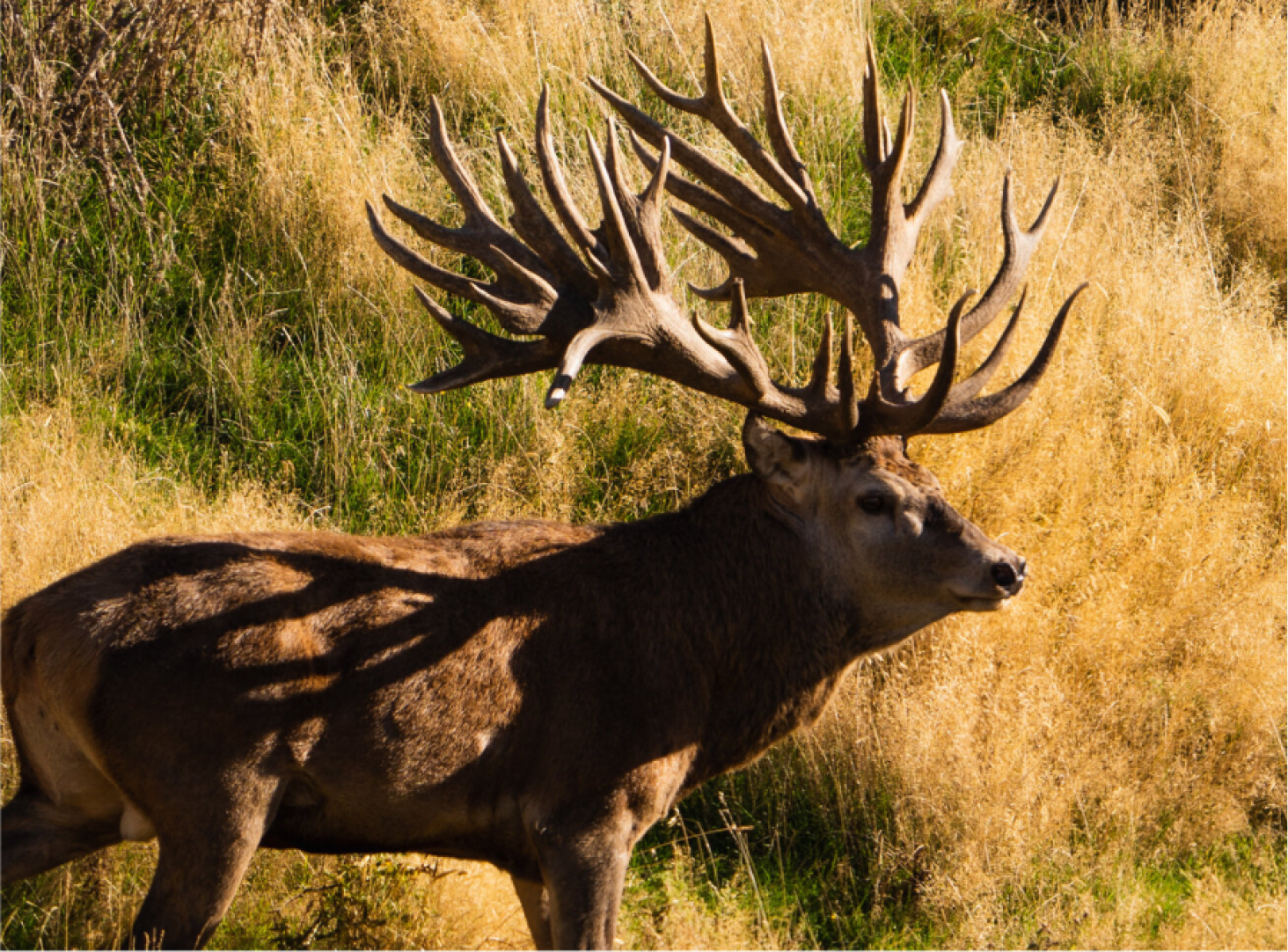
Red Deer (C. elaphus) are the most widespread deer species in New Zealand and the fourth-largest extant deer species, behind the Moose, Elk, and Sambar deer. Introduced by acclimatisation societies along with other deer and game species initially to the Nelson region at the top of the South Island. The first red deer to reach the North Island were a gift to Sir Frederick Weld from Windsor Great Park and were released near Wellington. Between 1851 and 1926, 220 separate introductions of red deer involved over 800 deer. New Zealand red deer produce very large antlers and are regarded by discerning hunters as the best deer antlers in the world.
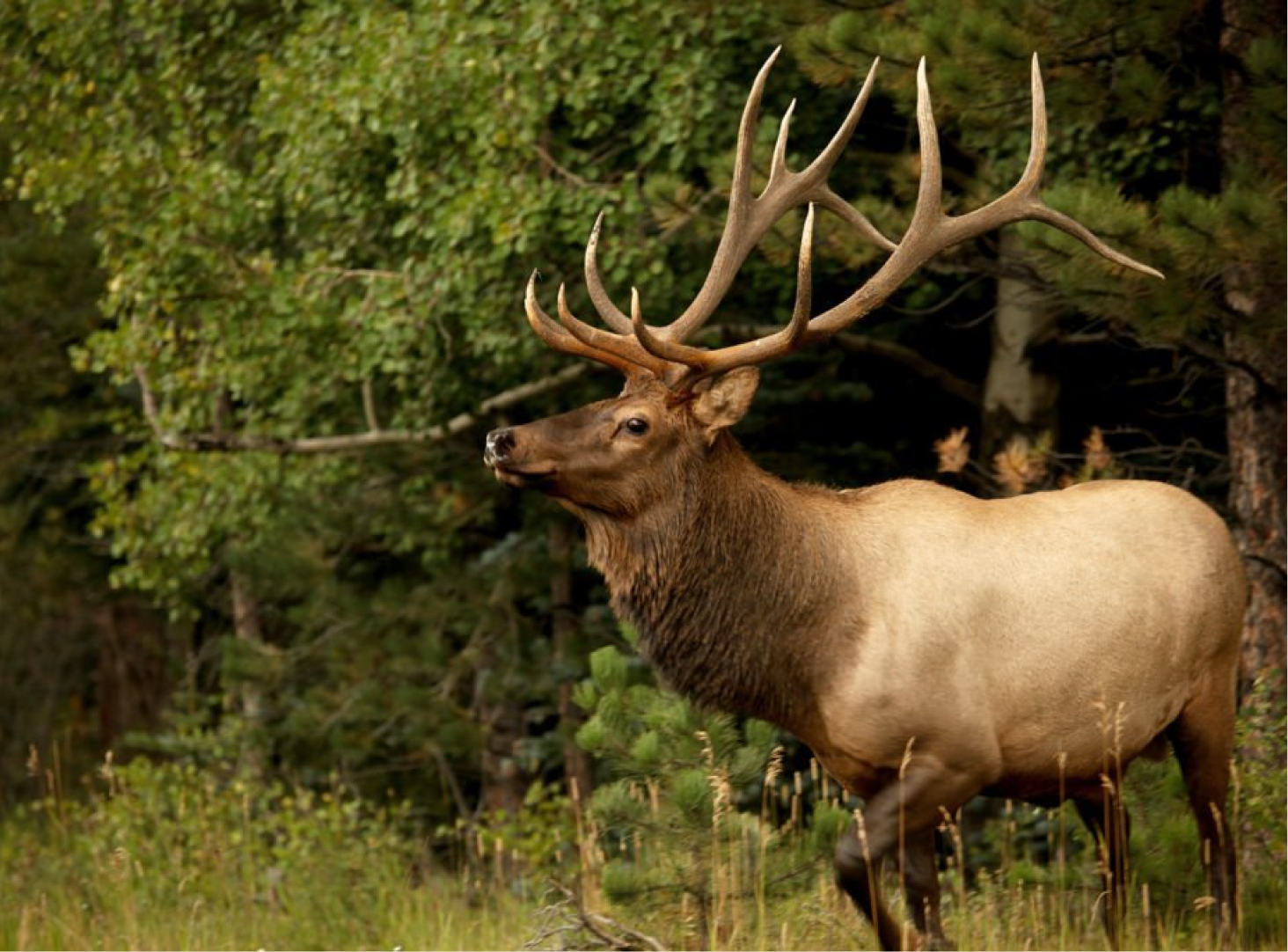
Wapiti (Cervus canadensis ) known as elk in North America, the largest of all round-horned deer, was introduced into George Sound, in Fiordland, by the New Zealand Tourist Department in 1905 when 18 animals of the Cervus elaphus nelsoni (now called Cervus canadensis nelsoni) species were released at the head of George Sound, Fiordland and became quickly established. Ten of these animals were a gift from American President Theodore Roosevelt, and the balance were purchased by the New Zealand government. Earlier introductions to other sites in New Zealand were unsuccessful.
In 1923, the first hunting licenses for Wapiti were issued. As interest grew and the herd spread, more blocks were made available. By the 1950’s, demand was so great that the blocks were opened to a ballot system. Today, there are 25 blocks that attract hundreds of applicants each year.
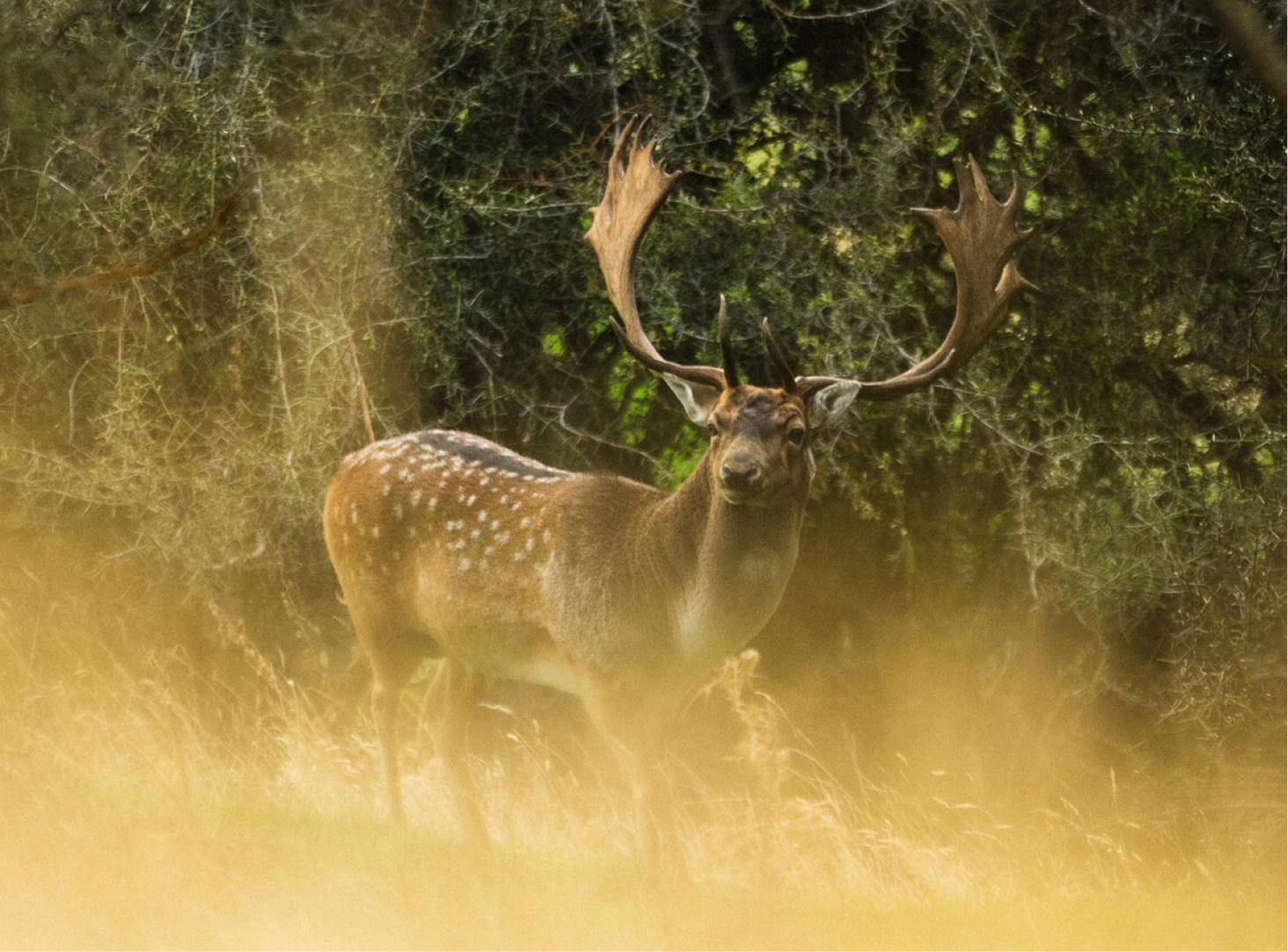
European Fallow Deer (Dama dama) Fallow were introduced into New Zealand from 1864, with 26 different introductions taking place. While not large in size they are very aggressive and during the rut they will often fight to the death and have been known to kill red stags. The Fallow Buck rut is in early April and finishes in May. Unlike the Red Stag that roar when issuing their challenge, Fallow Buck make a grunt or croaking sound. Fallow come in a variety of colours including black, chocolate, spotted (menil) and white. A good buck will have palmate antlers.
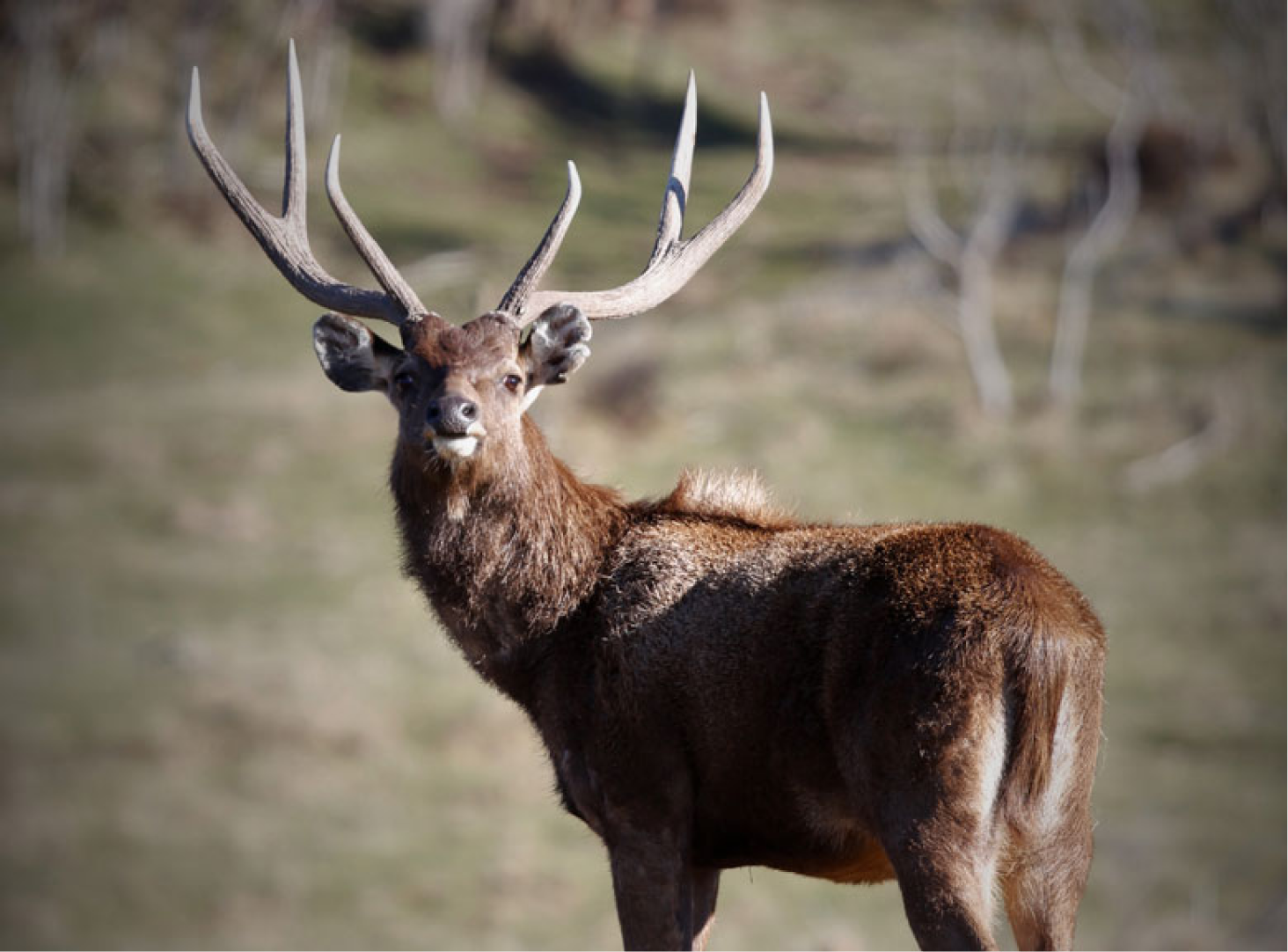
Rusa (C. timoriensis), native to the islands of south-east Asia, were liberated in the Ikawhenua foothills, near Murupara. Rusa are the least widely distributed of all of the recognised deer species in New Zealand. There is no seasonal restriction to hunting Rusa Deer meaning they can be hunted throughout the year. There are, however, instances where restrictions apply for specific reasons. The Roar (July to August) and Spring are the most favorable times of the year to hunt Rusa deer. During spring, deer can be seen coming out of the forest to feed on new grass and shrub growth.
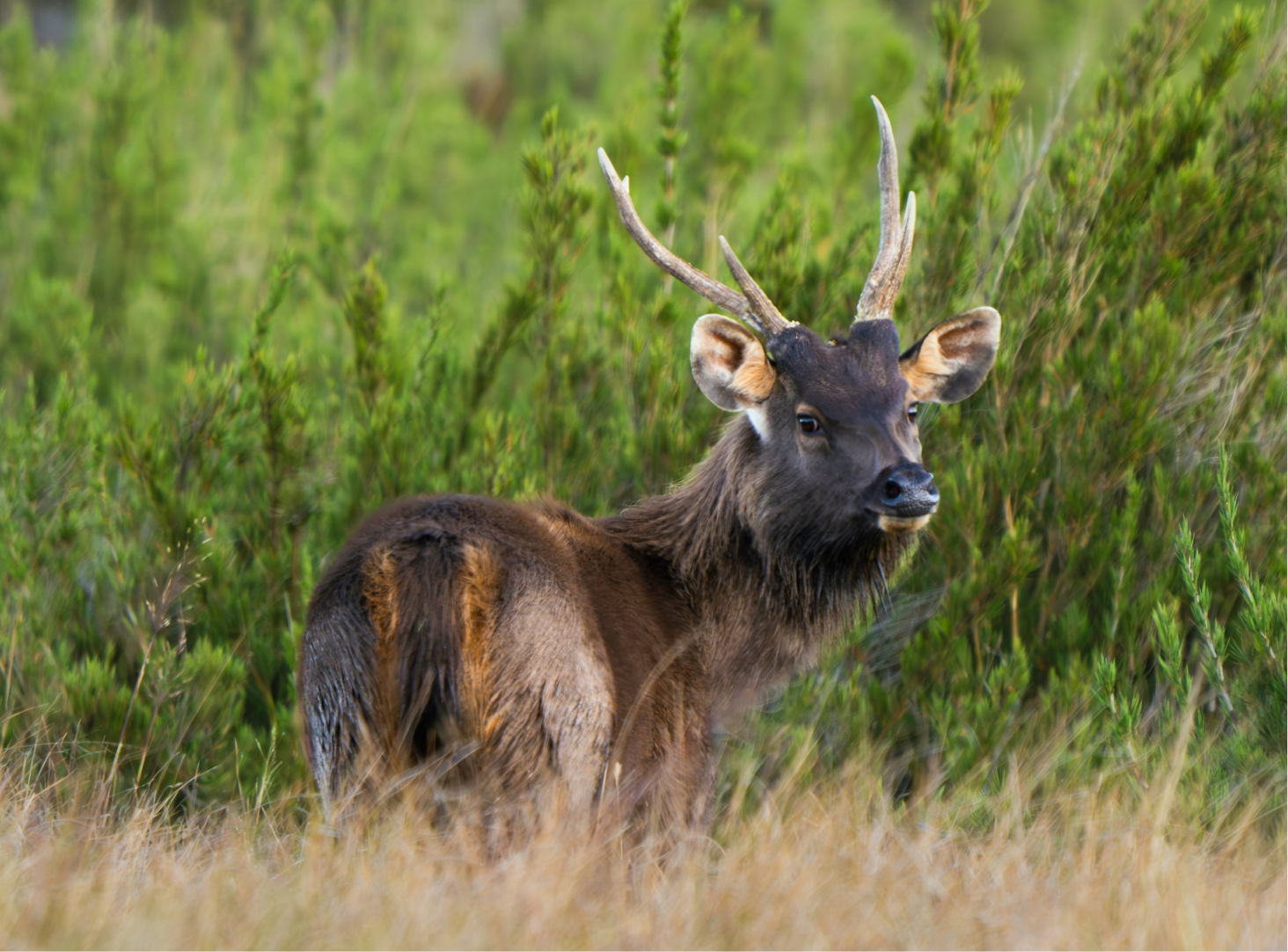
Sambar (C. unicolor), a large and cunning beast from India and Sri Lanka were introduced to Manawatu (Central North Island) in 1875. In New Zealand, Sambar deer are only found in the North Island. The two main populations of wild Sambar deer are found in the Manawatu/Wanganui region and the Bay of Plenty region. They range mostly on private land which is predominantly forestry blocks. Sambar occupies a variety of habitats from indigenous and exotic forests to wetlands and farmland. The rut extends over a period from late May to December with Spring being another favourable time of the year to hunt Sambar. During spring, Sambar can be seen coming out of the forest to feed on new grass and farm crops.
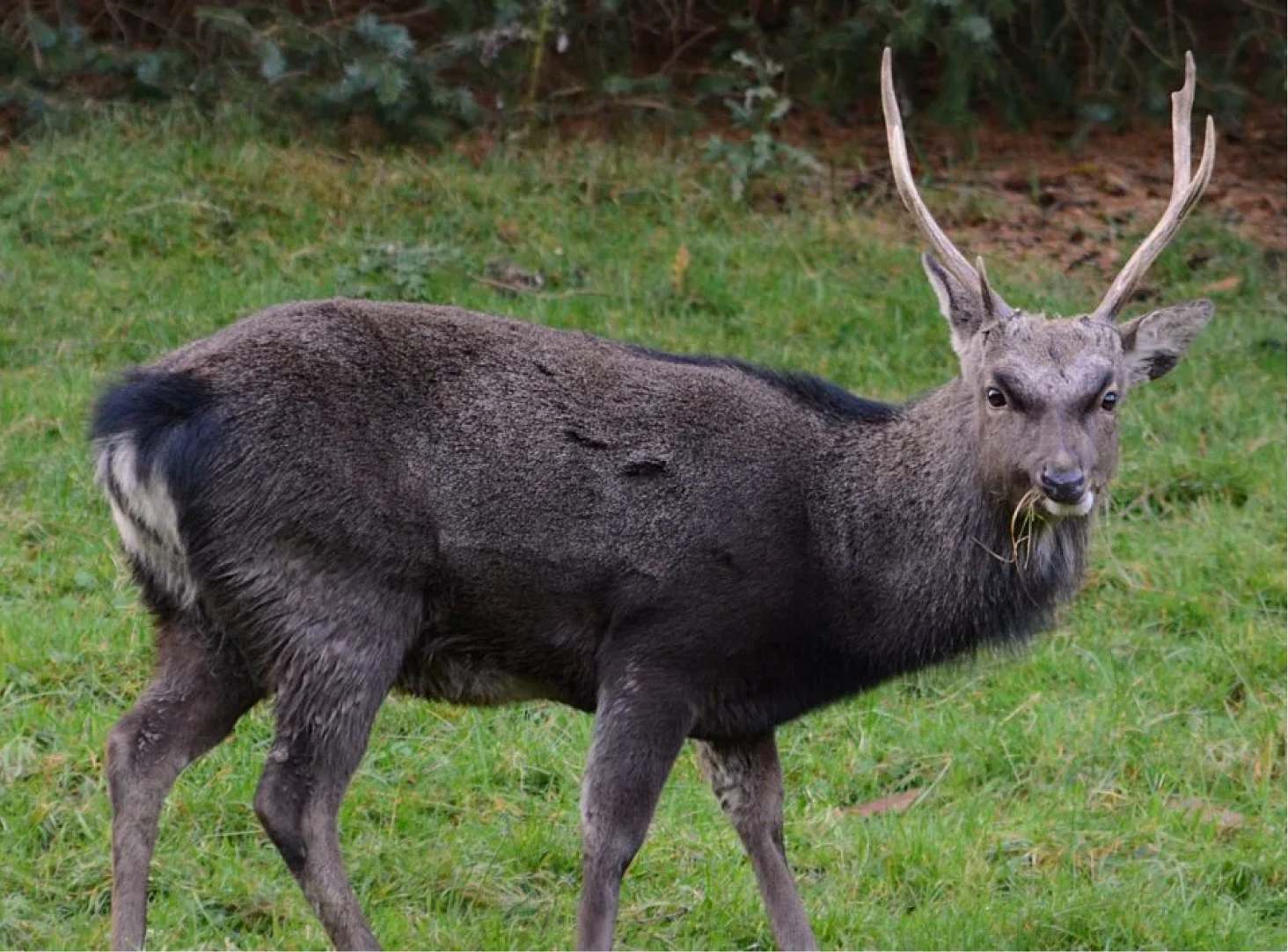
Japanese sika (C. nippon), originate in New Zealand from a single release of six animals at Merrylees Clearing in the Kaimanawa Range in 1905, gifted by the Duke of Bedford. Sika have a reputation for being among the most cunning of deer and is well-deserved. Sika stags exude attitude and are a highly vocal species, with over 10 individual sounds, ranging from soft whistles to loud screams. They grow a classic eight-point trophy in a four by four formation. They are extremely vocal during the rut, which runs from start to the end of April.
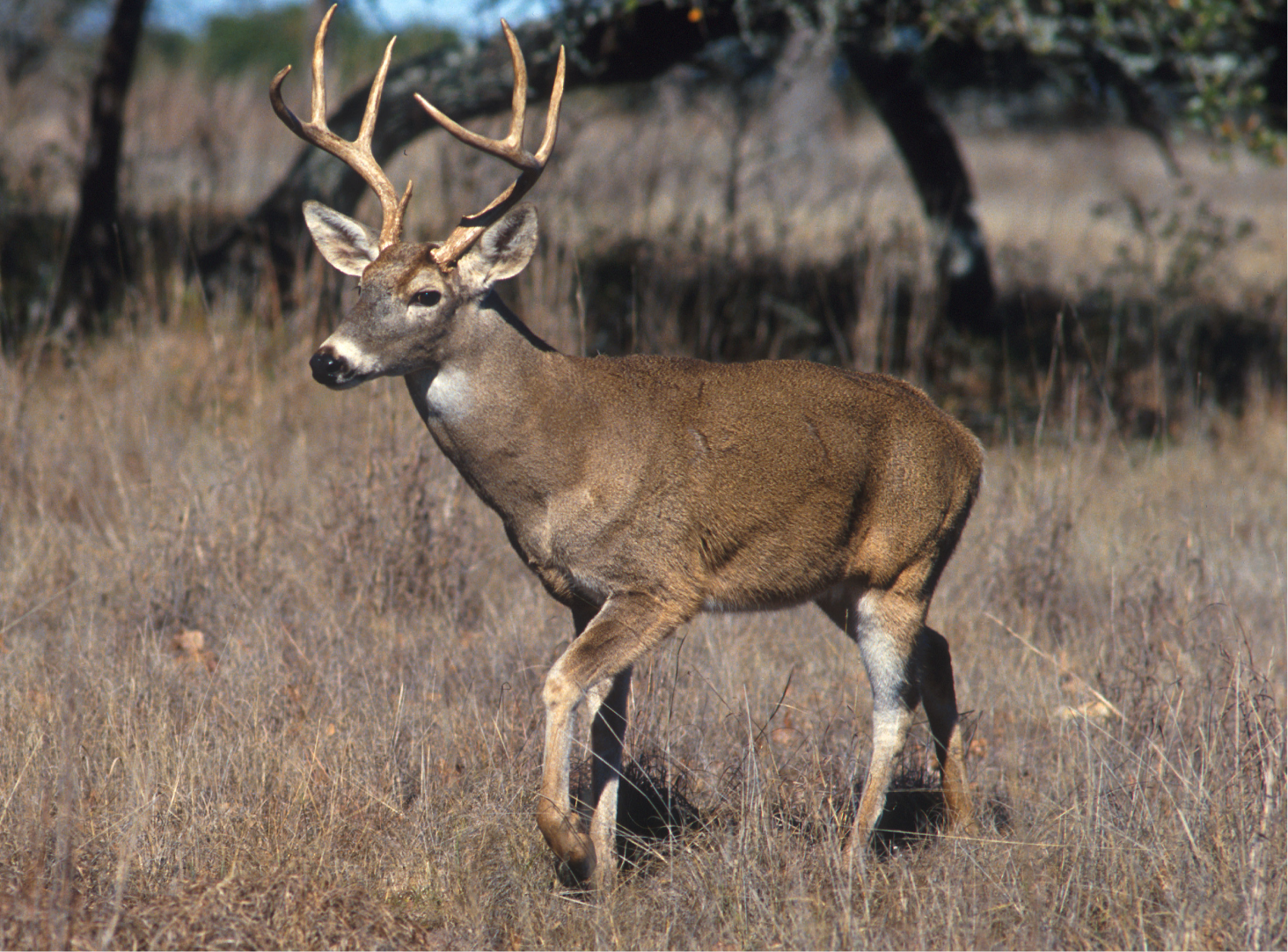
American Whitetail Deer (Odocoileus virginianus), a medium-sized deer native to North America, Central America, and South America as far south as Peru and Bolivia, was colonised in Stewart Island, New Zealand's southern most inhabited island. The American White Tail's liberation in New Zealand can be traced to the World Fair of 1904 held in St. Louis, Missouri. Reportedly, a herd had been trapped in snow in New Hampshire and taken to St. Louis where President Theodore Roosevelt decided to gift some of this herd of Whitetail Deer to New Zealand.
Sometime in late 1904 or early 1905, 22 animals were sent via boat to the South Island of New Zealand. Of the 22 deer on the ship, 18 of them survived the journey (four bucks and 14 does). Nine were sent to Pegasus Sound, Stewart Island with the remaining nine sent to the Rees Valley, near Queenstown in the lower South Island. These two main herds still exist as well as some other smaller herds of New Zealand whitetail that inhabit private land in the South Island.
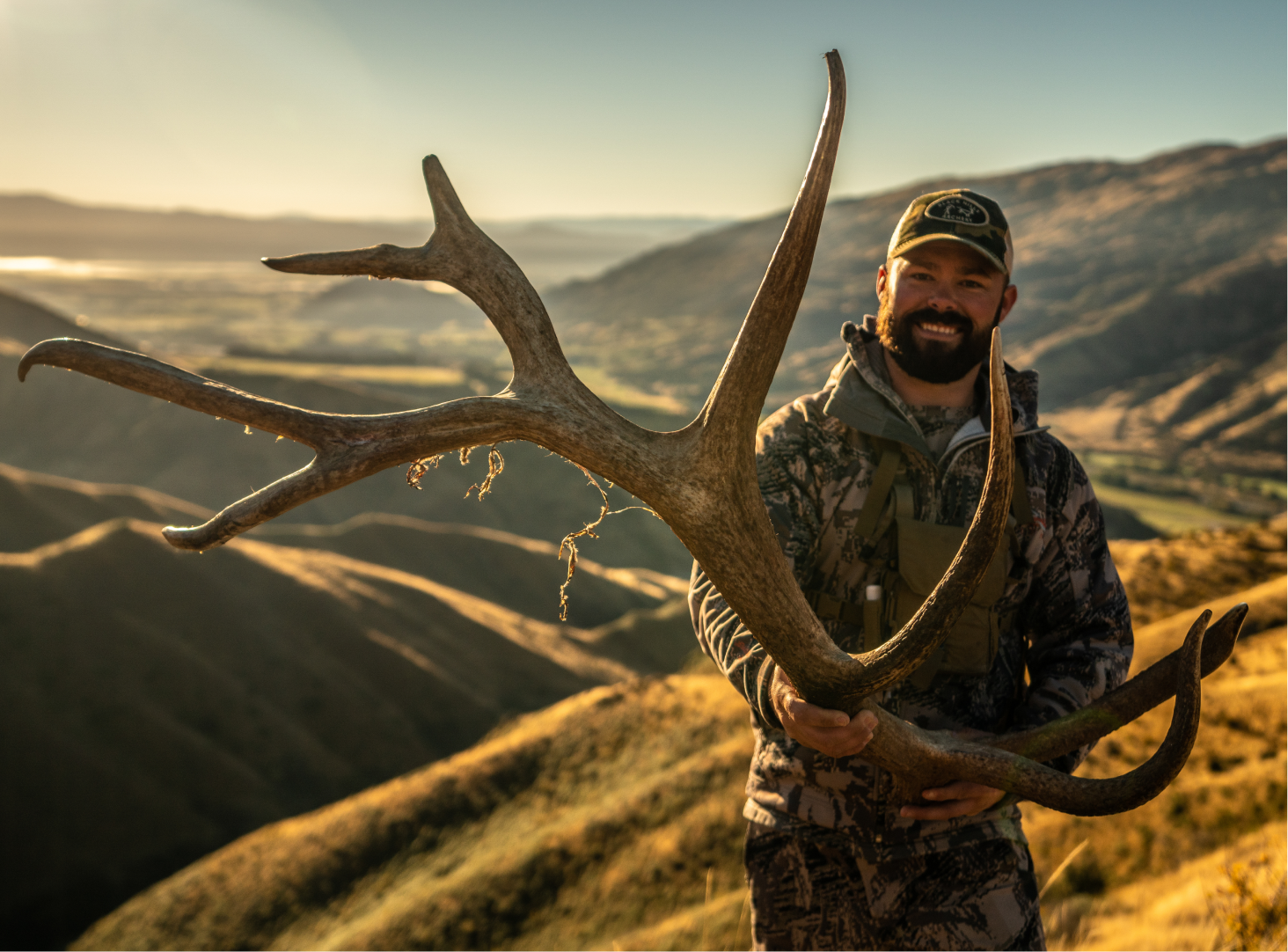
While all these species have established populations in various different regions of New Zealand, none have matched the tenacity and phenomenal adaptability of the New Zealand red stag ( C. elaphus). Within only a few decades of the introduction of red deer to New Zealand stags began sporting much longer and more impressive antlers than their UK forefathers.
An early example of the prowess of New Zealand as a red deer trophy hunting destination can be circled back to the early 1920s. Typically, none of the 120 best British red deer trophies at the Wembley Exhibition of 1924 exceeded 40 inches (102cm in length), while New Zealand listed 62 stags measuring over 40 inches in one year alone for the same period.
From these early origins, New Zealand continues to produce some of the most prized red stag trophies and of many Safari Club International SCI world record red stag entries.
Venator has been home to numerous red stag trophies scoring in excess of 800+ SCI points, holding claim to a number of past and present world record red deer stag titleholders, including scores over 950+ SCI Points recorded in recent seasons.
From its storied history to its place atop the Safari Club International leaderboards, the New Zealand red stag stands unmatched—making a New Zealand red stag hunt the pinnacle trophy pursuit for big game hunters worldwide.
Keep reading our journal entries.

The best outfitters bring every part of the experience together: high quality animals, exceptional guides, remarkable hunting country, considered accommodation and great food. We sat down with Jacques Hartzenberg during his recent visit to Venator New Zealand to talk about his life in the African bush, the growth of Chapungu-Kambako and what it takes to deliver a complete South African safari hunting experience.
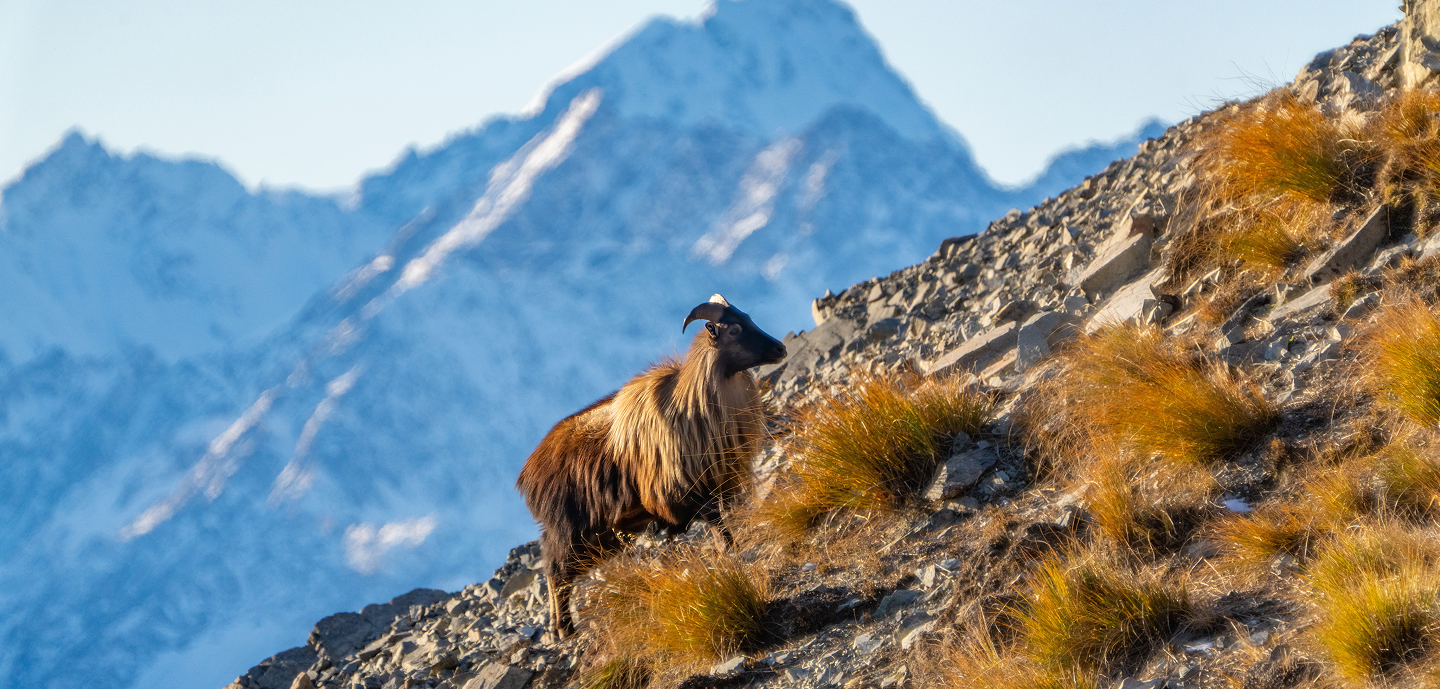
The Himalayan Tahr (Hemitragus jemlahicus) stands as one of New Zealand’s most iconic alpine game animals. Renowned for their thick, flaxen manes, agile nature, and affinity for sheer vertical rock faces, hunting a Bull Tahr in the Southern Alps offers one of the most physically demanding, rewarding pursuits in the Southern Hemisphere. Navigating rugged high-country bluffs, executing precision shots across deep ravines, and enduring the crisp alpine elements leave a lasting impression on every sportsman.
.jpg)
Last year, we had the pleasure of partnering with Johann Fanzoj to create a custom Classic M98 built around the legendary Mauser 98 action. The bespoke rifle is a reflection of shared values and hunting excellence. Made from premium materials with meticulous attention to detail, the Classic M98 is more than a rifle, it is an heirloom, offering hunters a lasting connection to heritage and a timeless expression of luxury.