

The Himalayan tahr is one of New Zealand’s most iconic alpine game animals. Known for their thick manes, incredible agility, and love of steep terrain, they’ve become a defining part of our hunting history, offering one of the most challenging hunts in the Southern Hemisphere. Navigating rugged landscapes, making long-range shots, and enduring physically demanding conditions, the pursuit of tahr leaves a lasting impression on those who venture into the heights in search of one of the mountains’ most prized trophies.
Native to the mountains of India and Nepal, the Himalayan tahr spent centuries largely unnoticed by humans. It was less sought after by hunters, as other animals such as the larger-horned bharal and ibex were more popular targets.

In the 19th century, the British East India Company, and later the British Empire, explored the upper Himalayan slopes in search of new challenges and trophies. This quest sparked interest in the Himalayan tahr, which eventually led to its introduction to New Zealand in the early 20th century. At the request of the aristocratic Herbrand Arthur Russell, Duke of Bedford, a small number of tahr were shipped from his estate in Bedfordshire to New Zealand’s Southern Alps. There, in the rugged high country of the South Island, the tahr quickly adapted to the landscape, perfectly suited to their natural instincts.
Without natural predators and little initial interest from Kiwi hunters, tahr populations thrived, rapidly spreading through the high country. While the first official tahr trophy was taken in 1925, deer remained the primary focus for hunters, allowing tahr numbers to grow unchecked. By the mid-20th century, the tahr’s impact on farmers was undeniable, leading the government to initiate culling efforts.
In the 1960s and 70s, new methods were introduced to manage tahr populations more effectively. During this period, commercial hunting also emerged, with tahr meat briefly in demand. By the 1980s, the commercial aspect faded, but the pursuit of hunting tahr in the rugged terrain remained.

Fast forward to 2025, and Venator continues to offer world-class tahr hunts in New Zealand’s most breathtaking landscapes. Our hunts not only provide a prized trophy but also offer a rare opportunity to connect with the beauty of New Zealand’s backcountry. We guide hunters through some of the South Island’s most untouched terrain, from rugged rock formations to tranquil mountain lakes.
For those seeking a rewarding alpine adventure, a Himalayan tahr hunt with Venator is an experience like no other.

Keep reading our journal entries.
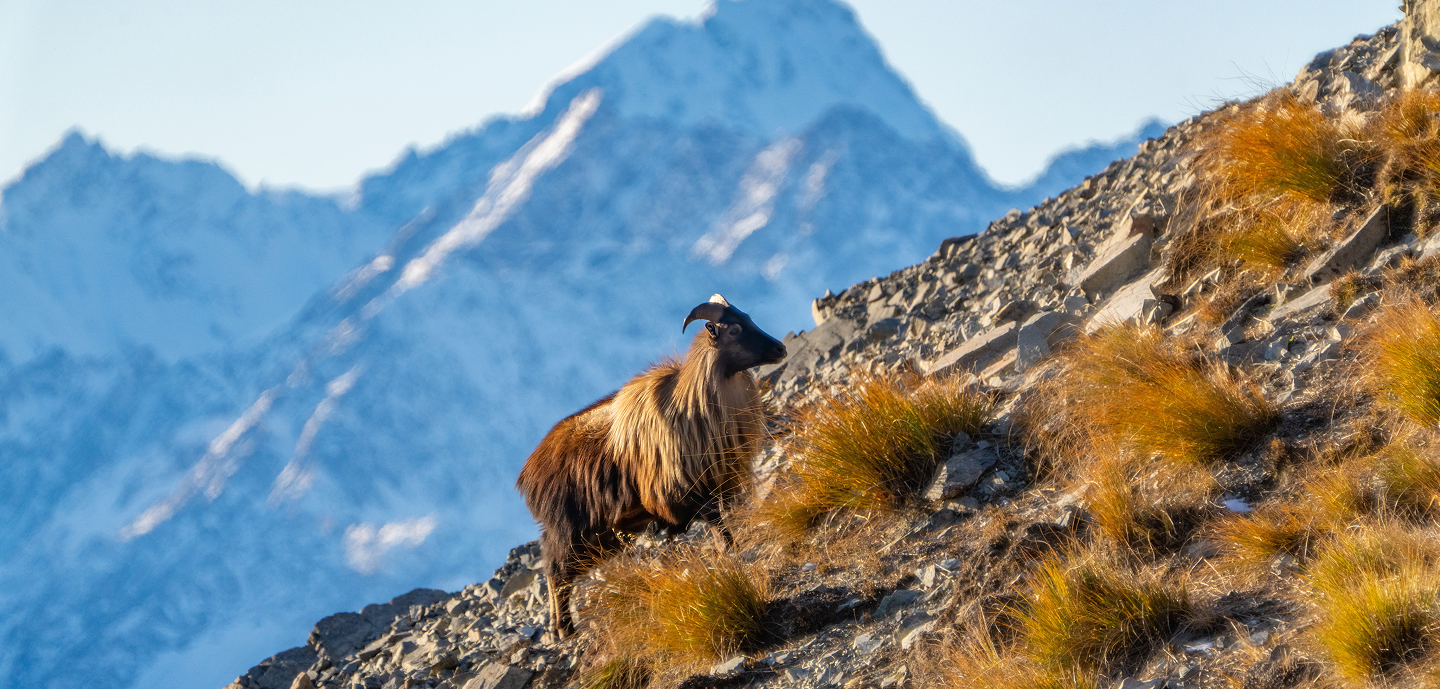
The Himalayan Tahr (Hemitragus jemlahicus) stands as one of New Zealand’s most iconic alpine game animals. Renowned for their thick, flaxen manes, agile nature, and affinity for sheer vertical rock faces, hunting a Bull Tahr in the Southern Alps offers one of the most physically demanding, rewarding pursuits in the Southern Hemisphere. Navigating rugged high-country bluffs, executing precision shots across deep ravines, and enduring the crisp alpine elements leave a lasting impression on every sportsman.
.jpg)
Last year, we had the pleasure of partnering with Johann Fanzoj to create a custom Classic M98 built around the legendary Mauser 98 action. The bespoke rifle is a reflection of shared values and hunting excellence. Made from premium materials with meticulous attention to detail, the Classic M98 is more than a rifle, it is an heirloom, offering hunters a lasting connection to heritage and a timeless expression of luxury.
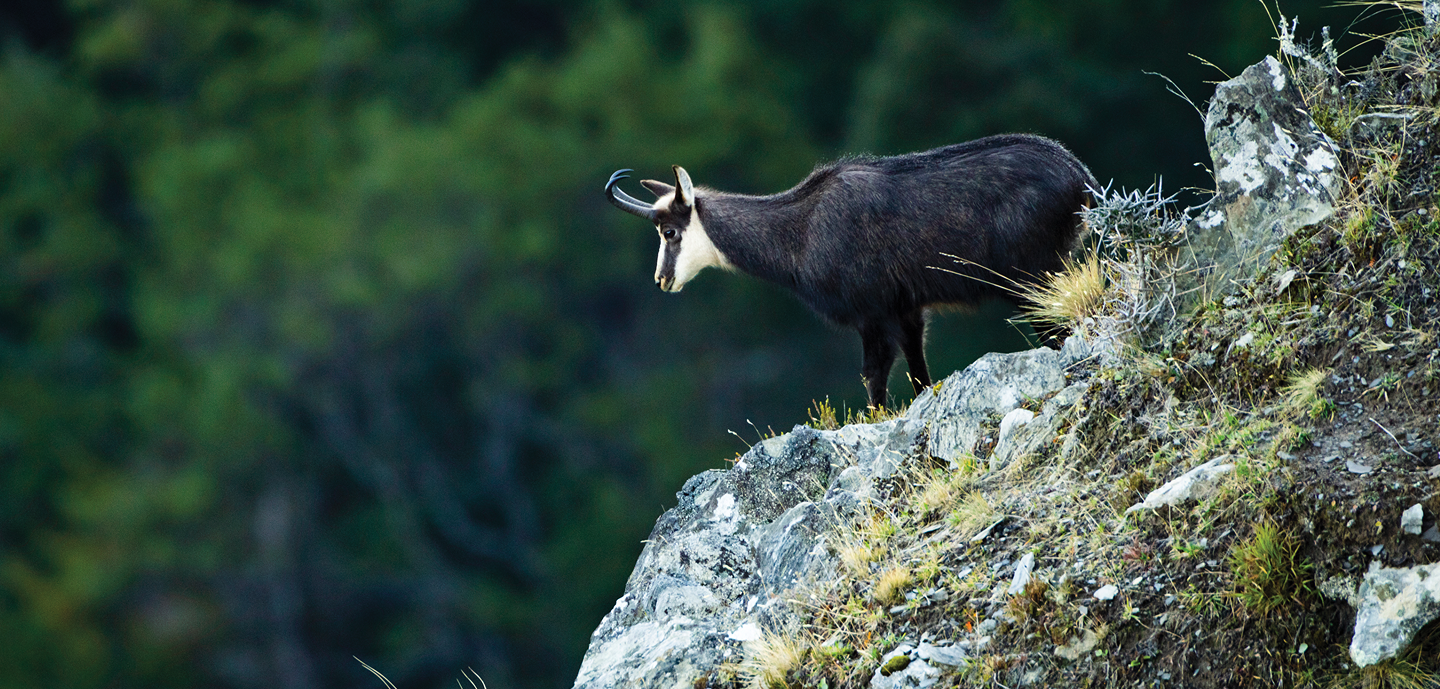
The European chamois (Rupicapra rupicapra) stands as one of New Zealand’s most elusive and thrilling alpine game animals. Renowned for their incredible speed, sharp senses, and remarkable agility across steep, precipitous rock faces, these remarkable creatures offer a true test of stamina and marksmanship.